Hydrogen H2 Generation using Wind
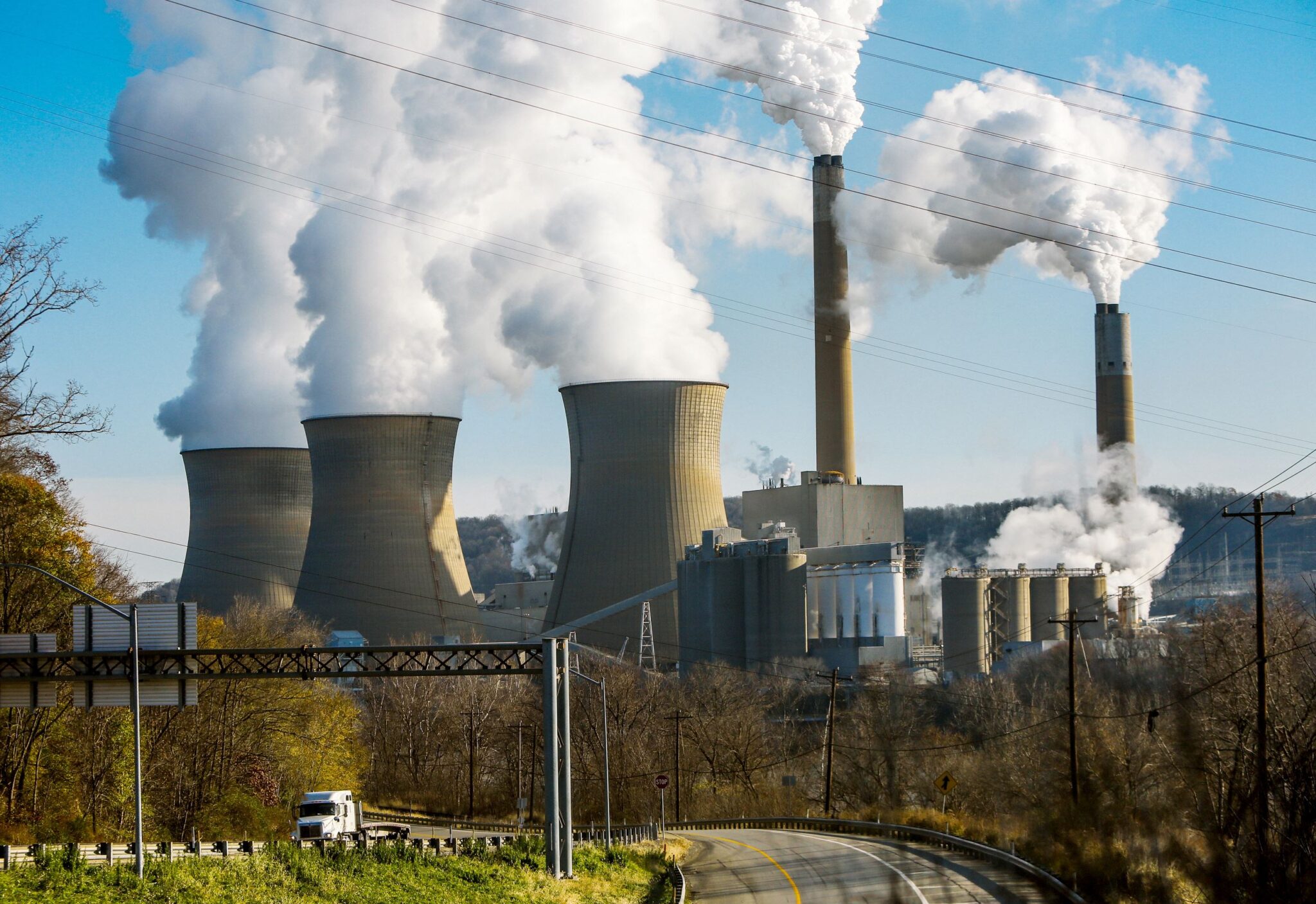
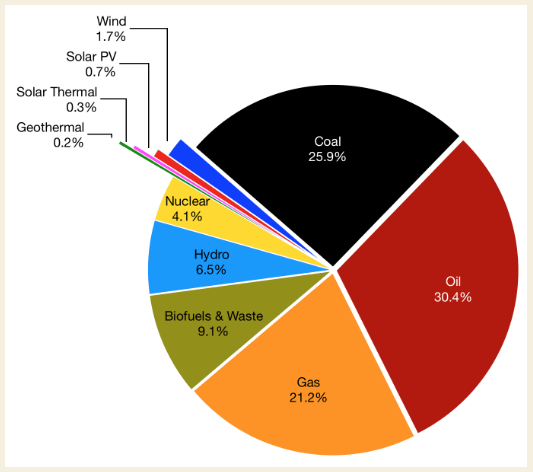
The following information and numbers may change with time but the reality of Hydrogen is that it will become the dominant fuel for the future. I have examined the entire range of energy sources including all factors from the procurement of raw materials to processing or refining, transportation and distribution, environmental issues and then also the use of the fuels and required infrastructure from start to finish. Petroleum, coal and to a lesser degree natural gas are all very intensive forms of energy in terms of cost to procure, process, transport and deliver to the end user.
Nuclear power is the most horrifically polluting source of energy ever conceived of by man (whoever is calling it green is simply insane). Other forms of energy like Hydro are wonderful but the cost and environmental impact for large installations is balanced by the fact that Hydro lasts for a long time. It is a savior to small 3rd and 2nd world countries that have good rainfall in mountainous areas giving good energy for the relatively small populations. It does not work for most island countries because they experience a dry season that prevent hydro from being a solution.
H2 production numbers
9 kilos of H20 = 9 liters of H20 needed to produce 1 kilo of H2 (in gas form not pressurized = 423 cubic feet = 11.126 cubic meters = 11,126 liters = 14.128 liters in liquid form which takes a lot of energy to pressurize so not usable in our world) using between 50 and 55 kWh of energy using water electrolysis.
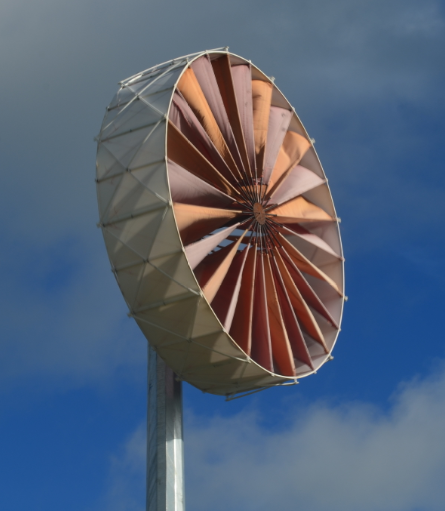
That would be a rough estimate for making H2 using wind (the JMCC WING Generator).
If interested in investing in projects including pilot projects for H2 contact us at the following email address (serious investors with existing verifiable capital only) info@jmccwing.com