Hydrogen H2 Generation using Wind
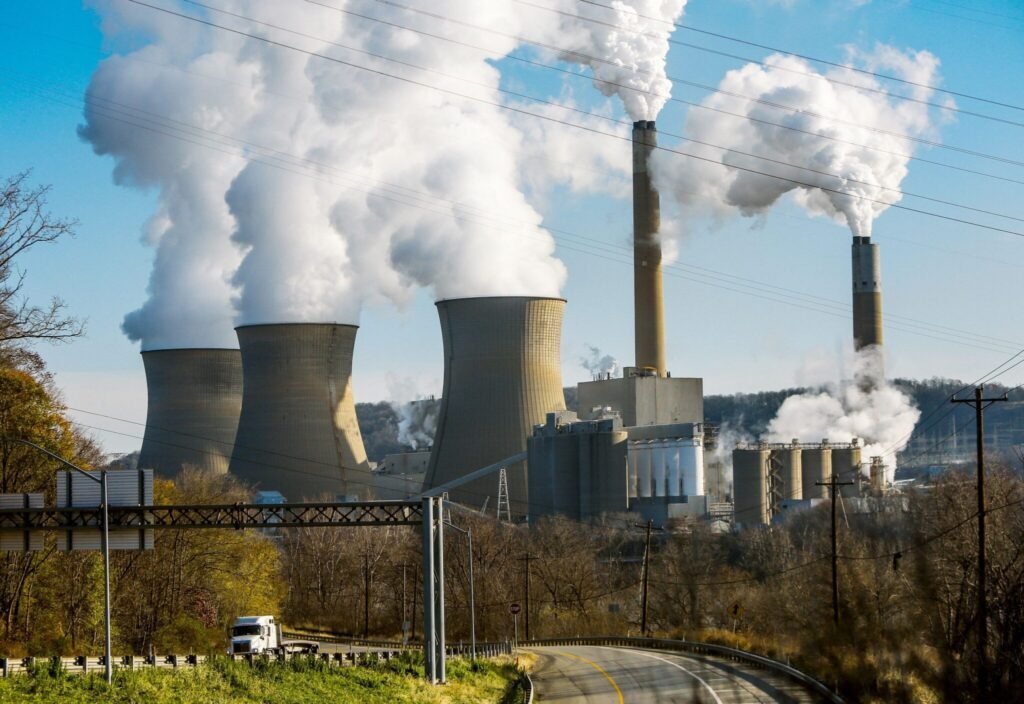
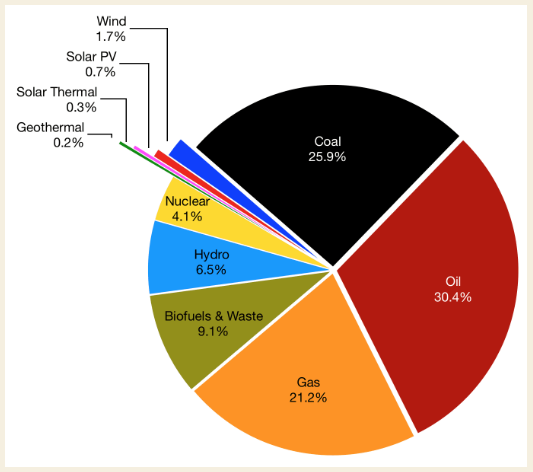
The following information and numbers may change with time but the reality of Hydrogen is that it will become the dominant fuel for the future. I have examined the entire range of energy sources including all factors from the procurement of raw materials to processing or refining, transportation and distribution, environmental issues and then also the use of the fuels and required infrastructure from start to finish. Petroleum, coal and to a lesser degree natural gas are all very intensive forms of energy in terms of cost to procure, process, transport and deliver to the end user.
Nuclear power is the most horrifically polluting source of energy ever conceived of by man (whoever is calling it green is simply insane). Other forms of energy like Hydro are wonderful but the cost and environmental impact for large installations is balanced by the fact that Hydro lasts for a long time. It is a savior to small 3rd and 2nd world countries that have good rainfall in mountainous areas giving good energy for the relatively small populations. It does not work for most island countries because they experience a dry season that prevent hydro from being a solution.
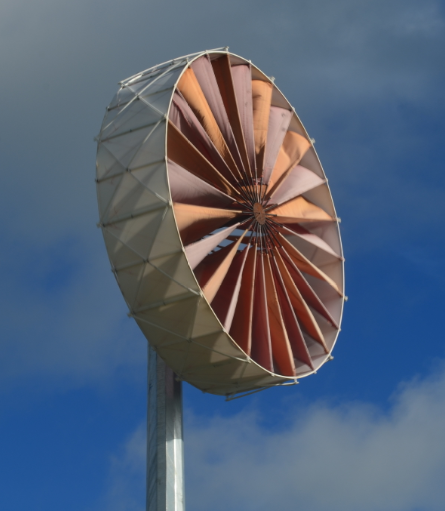
Then there are the so-called “alternative energy sources” such as 3-blade wind turbines, thermal solar, photovoltaic solar (solar panels), and last but certainly not least, the future of energy — the JMCC WING® Generator, which efficiently converts wind into electrical energy.
Of all these energy sources, the clear long-term winners will be what I call the BIG THREE. Natural Gas will continue to play an important role because of its ease of use, large distribution infrastructure, abundance, and relatively clean-burning properties.
Hydrogen will also take a major place in the energy market. Its key challenge is sourcing Green Hydrogen produced using renewable energy sources such as wind, solar, or hydropower.
Most importantly, the JMCC WING® Generator is being implemented to generate electricity for the grid, private enterprises, and the production of Green Hydrogen.
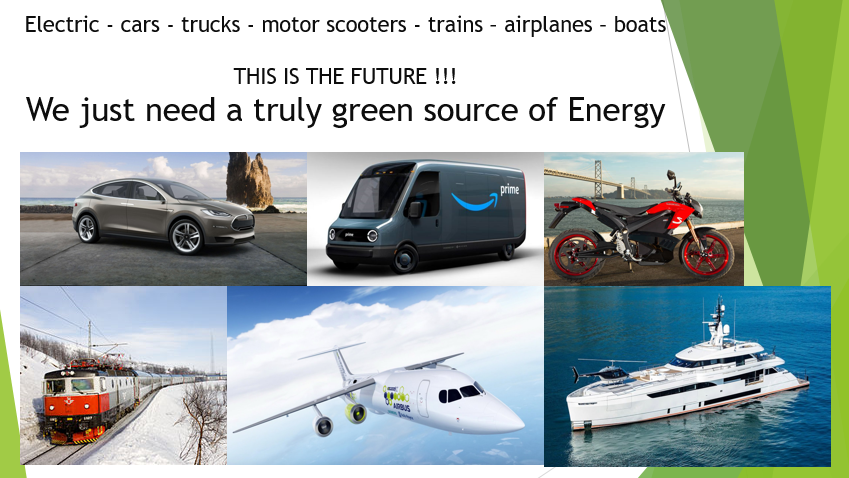
As electric vehicles continue to expand, the JMCC WING® Generator can provide electricity for grid expansion and point-of-use EV charging stations. It is also an ideal energy source for Green Hydrogen H2 generation from wind.
Whether EVs or Hydrogen H2 become the leading transportation solution, the JMCC WING® Generator can provide the energy needed by efficiently converting wind into usable power.
Download PDF Brochures at bottom of page
9 kilos of H20 = 9 liters of H20 needed to produce 1 kilo of H2 (in gas form not pressurized = 423 cubic feet = 11.126 cubic meters = 11,126 liters = 14.128 liters in liquid form which takes a lot of energy to pressurize so not usable in our world) using between 50 and 55 kWh of energy using water electrolysis.
That would be a rough estimate for making H2 using wind (the JMCC WING Generator).
If interested in investing in projects including pilot projects for H2 contact us at the following email address (serious investors with existing verifiable capital only) info@jmccwing.com
| Unit | Weight | Gas | Liquid | |||
|---|---|---|---|---|---|---|
| Pounds | Kilograms | SCF | Nm³ | Gallons | Liters | |
| 1 pound | 1.0 | 0.4536 | 192 | 5.047 | 1.6928 | 6.408 |
| 1 kilogram | 2.205 | 1.0 | 423.3 | 11.126 | 3.377 | 14.128 |
| 1 SCF gas | 0.00521 | 0.00236 | 1.0 | 0.02628 | 0.00882 | 0.03339 |
| 1 Nm³ gas | 0.19815 | 0.08988 | 38.04 | 1.0 | 0.3355 | 1.2699 |
| 1 gallon liquid | 0.5906 | 0.2679 | 113.4 | 2.981 | 1.0 | 3.785 |
| 1 liter liquid | 0.15604 | 0.07078 | 29.99 | 0.7881 | 0.2642 | 1.0 |
SCF: Standard cubic foot gas measured at 1 atmosphere and 70°F.
Nm³: Normal cubic meter gas measured at 1 atmosphere and 0°C.
Liquid: Measured at 1 atmosphere and boiling temperature.